New AI Virtual Cell Technology Could Change Medicine
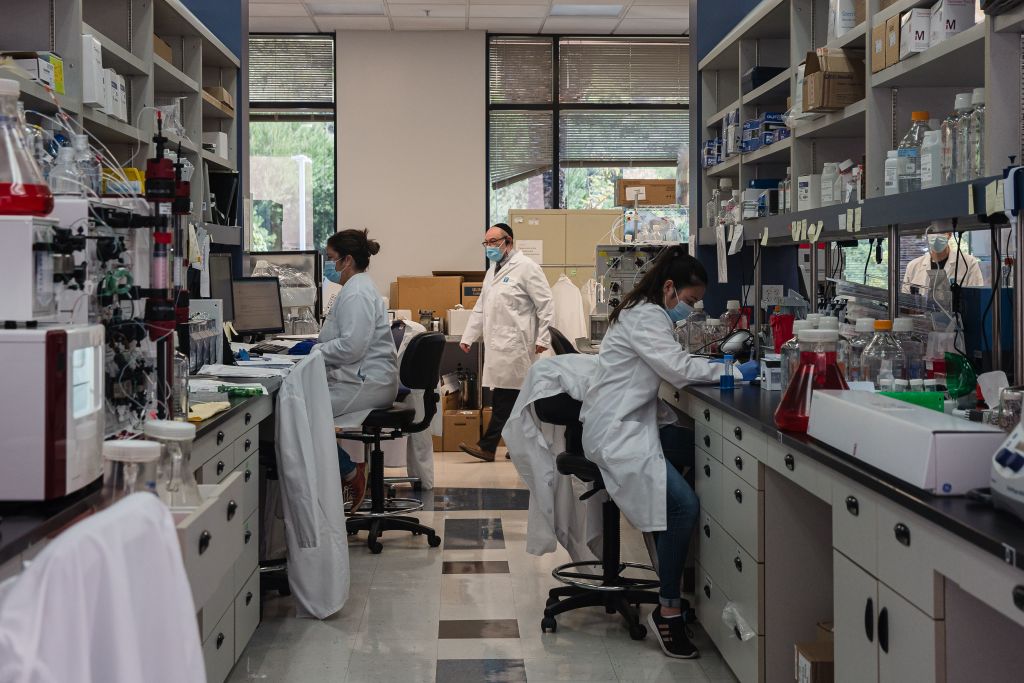
New AI virtual cell technology could soon show scientists how tiny genetic changes and drugs alter human cells. Researchers are using this new software tool to watch tiny changes inside the body without doing hard experiments in a lab first. This big step in computer science was reported today by Phys.org.
What is AI virtual cell technology?
This new system uses smart computer code to build a digital twin of a real living cell. Scientists put data into the computer, and the software shows how the cell reacts to different tests. It acts like a flight simulator, but it is built for biology and medicine instead of airplanes.
Researchers want to use these digital models to test ideas fast. Instead of waiting weeks to grow real samples, a computer can give answers in just a few minutes. This saves money and helps experts learn much faster than they could in the past.
How does AI virtual cell technology work?
Computers look at huge amounts of data from old health studies to learn how microscopic parts move. The system learns the rules of life inside a tiny cell wall. After it learns those rules, it can guess what will happen when something new enters the area.
Scientists can change the digital genes inside the program to see what happens. They can also add fake medicine to the digital model to check if it helps or harms the system. This makes testing new ideas very safe and clean for everyone involved.
Why do scientists use virtual cell models?
Testing real items in a lab takes a lot of time, expensive tools, and careful work. A digital model lets researchers run thousands of fake tests all at the same time. This speeds up the work needed to make new help for sick people.
It also lets scientists look at rare genetic problems that are hard to find in real life. By typing new code into a computer, they can copy rare sicknesses easily. This opens up new paths to study problems that were once too hard to see clearly.
What comes next for this new technology?
Experts will keep adding more details to these software models so they match real life even better. As computers get stronger, these virtual parts will act more like the real things inside our bodies. This will lead to better tools for doctors and scientists everywhere.
People who follow mobile technology and health news should watch this field closely. In the future, smart systems might help plan care tailored to a single person's body. For now, researchers will keep testing the software to make sure its answers are right.


Comments
Post a Comment